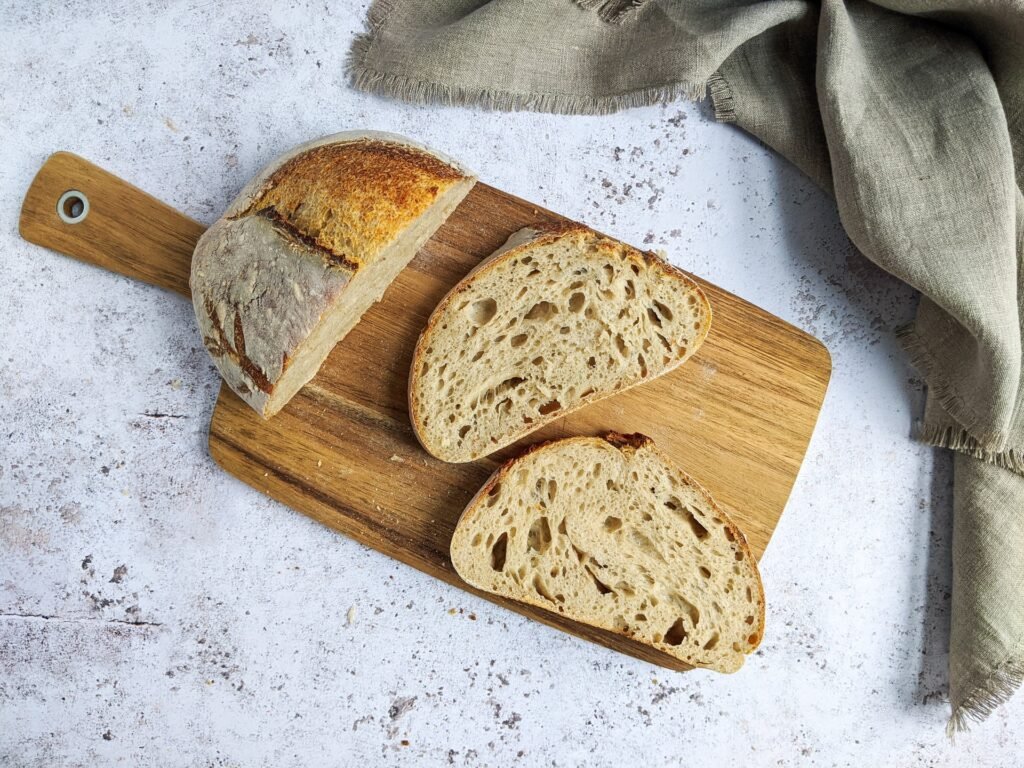
Sourdough Flatbread is a versatile, easy-to-make flatbread that’s perfect for pizza crust or sandwich fillings. You can use it as the base of your favourite topping combo and enjoy fresh sourdough flavour every time! With so many ways to eat this delicious loaf, we bet you can’t wait to know the benefits.
Sourdough Flatbread: What is it?
Sourdough bread is a type of leavened, yeast-risen food that’s made with natural fermentation rather than commercial baker’s yeast. To create it you need to start by feeding your starter (a mixture consisting mainly of carbohydrate sources such as flour and water) time so it can build up good bacteria which will then produce carbon dioxide when exposed primarily during baking – giving rise or “life” back into these once dead ingredients!
Sourdough starters are a major component in the craft of making your bread. They contain naturally occurring microbes that can be used to create a delicious and healthy alternative for you or anyone else who loves great tasting food!
The process starts with mixing flour, water yeast extracts such as fruit juice (sugar), salt fat – usually butter but sometimes oils too- then let this mixture sit overnight so it has time to rest while giving off CO2 gas bubbles which give our sourdough its unique flavour profile before use.
The Benefits of Sourdough Flatbread
It Digests Faster
Sourdough Flatbread is better for your digestion than other types of bread because the bacteria-yeast composition will start breaking down starches before it even reaches your stomach. This makes things less stressful on your guts and easier to digest!
Contains low glycemic
Sourdough Flatbread is not only healthier than most other types of bread but also better for you in so many ways! For starters, it doesn’t have any glycemic index whatsoever because the bad carbs within this food were removed by cultivating bacteria during fermentation.
This makes sure that your blood sugar won’t skyrocket after eating one piece – a big problem with white flour products like toast or bagels which release sugars into our system quickly without giving us enough time to digest them before another crumb hits bottom.
Breaks down protein gluten
It is better for those who have gluten sensitivities. The extended soaking and rinsing of the dough prepare it in such a way that makes eating easier on your system, especially if you’re sensitive to this particular type of cross-reaction with other food items containing alpha-gliadin proteins found naturally within many types including wheat strains.
It has good acids.
The lactobacillus bacteria that live on sourdough bread make it higher in lactic acid than other types of baked goods, which means there’s less room for phytic acids. This can be potentially dangerous because this mineral-blocking element prevents the body from accessing important vitamins and minerals found within these embraces!
The larger quantities you consume though, the easier digestion will become as well as making certain nutrients more accessible to your system – like calcium phosphate soaked up by bones while they’re forming during childhood development time (the key here is “access”).
It has good bacteria
Sourdough bread is a great source of healthy bacteria. The process by which it’s made fermentation, supporting more probiotics that can help good immune function and other bodily functions like gut health!
It doesn’t contain many preservatives
Sourdough bread contains acetic acid, which is naturally resistant to mould. It doesn’t need toxic preservatives because it will last indefinitely without them! So you can opt-out of hazardous buildup in your supply chain that comes with artificial chemicals and flavours added for lengthier shelf life- even if they are not healthy options by any means.
It doesn’t contain much yeast
Sourdough bread is made with a healthy dose of natural bacteria that can help control yeast overgrowth and infection.
Made with natural ingredients
This bread is one of the traditional forms of food; Most people have been enjoying it for a long, long time. It comes from natural origins and uses whole flour wild yeast plus bacteria to create its signature fluffy texture rather than relying on chemical rising agents as commercial bakers do nowadays!
Doesn’t contain too much glucose
Sourdough bread is a great alternative to its high-glucose counterparts because it contains less glucose. The wild yeast used in the process of making this type uses up much-needed energy and produces acids that help slow down digestion, thus preventing rapid spikes after eating them!
It contains a lot of ingredients
Sourdough bread is nutritious and delicious. It has a variety of vitamins, minerals – even some that you can’t get anywhere else! The low glycemic index means it won’t make your blood sugar levels go haywire like other types do (unless someone throws in an extra peanut butter sandwich). But what makes this treat worth eating? Sour flavour: boasts small to moderate amounts of vitamin C; B-vitamins including niacin acetic acidity regulator Pantothenic Acid which helps keep those hormones running smoothly… plus selenium protects against oxidative stress.
In addition to being super nutritious, sourdough bread has fewer calories than most other types of baked goods. It is rich in fibre and provides many essential nutrients that are lost when common ingredients like flour or white sugar replace them with cheaper substitutes.
Sourdough Flatbread is indeed very delicious
Sourdough bread has a tangy flavour that you won’t find in most other types of bakery goods. Not to mention it’s healthier for your waistline!
Sourdough bread is the best choice if you want something with a distinctive flavour and nutritional value. What more could anyone ask?
Final Words
Sourdough bread is a great alternative to conventional wheat-based loaves. It’s richer in nutrients and less likely than its counterpart with uptick blood sugar levels or any other negative impacts on your health! The only drawback may be that it isn’t completely gluten-free so if you have celiac disease or non-celiac gluten sensitivity then this might not work for those who must avoid all forms of barley malt-based dishes due to their illness – but many people report preferring the taste/aroma difference between these two types when eaten fresh outta ovens anyway 🙂
Learn how to make Cakesicles here. You can also try out our mini pancakes recipe.
Ozi G.

Ozi is one of the newest writers for Gadgetsforthekitchen.com. When he is not reviewing products & sharing his thoughts on new recipes, he enjoys spending time with his family and friends. In his spare time, he is surfing sites like healthylivingmagazine.us, bhg.com and houzz.com , to gather knowledge and help you find the most reliable and trustworthy information, tips and hacks. In addition to the first-hand use of several of the products, he also likes to use the thousands of credible reviews from sites like Youtube.com, target.com, Amazon.com, and the Wirecutter.com, to help you have the best gadgets and receipts to fit your kitchen perfectly.