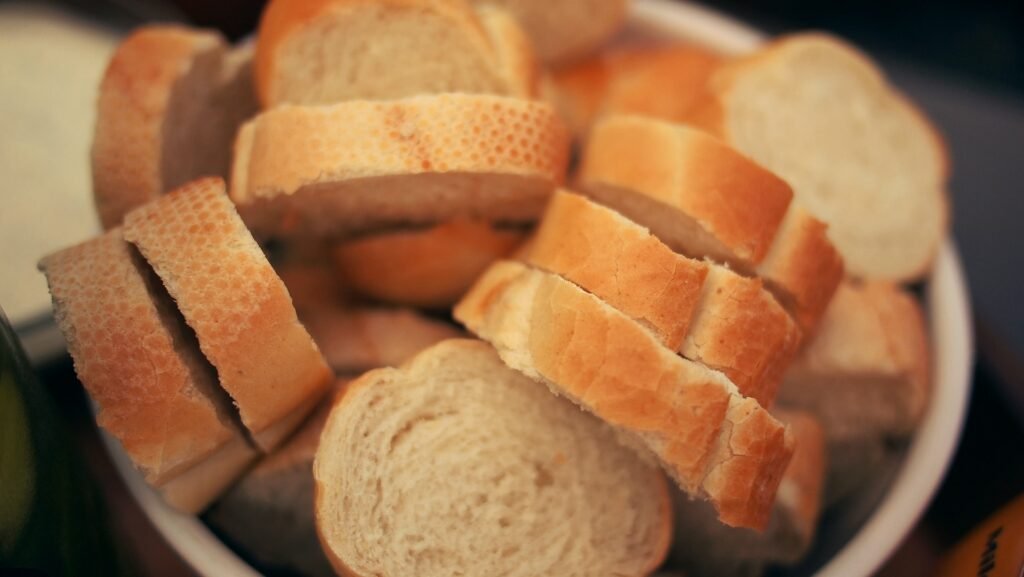
You can keep bread fresh forever but you can learn How to make hard bread soft. There are some things you might be able to do about it. For starters: don’t leave your stale loaves of sandwich dough sitting around for too long; if they’re going straight into the trash after baking (which is usually what happens), at least put them in small packages with a tightly sealing lid or wrap so that moisture doesn’t escape while waiting between uses!
Bread will never taste exactly how it did when first out-of-the-oven–but drying times vary depending on temperature and humidity levels where you live. Read on and learn How to make hard bread soft
Why Is My Bread Stale?
Bread contains starch, and that’s made up of two kinds of molecules: amylose (a type that has a crystalline structure)and amylopectin. In their natural state, these starches are not yet changed because they contain mostly an alpha-Dextrin polysaccharide called “starch”. Heating them using dry heat such as when you toast your slice can lead to determination -the transformation from brown into sugar! This same process happens simultaneously during caramelization but rather than turning white this time around it will become shades varyingly from light amber.
The process of caramelization turns sugars into chemical compounds, but when bread is browned it’s due to starch being acted upon by an unknown agent.
Starches In Bread
Starches are a type of carbohydrate that provides food for bacteria and yeast. When starches come in contact with moist heat, they absorb water from their surroundings which causes the granules to swell up – this is what gives fresh bread its springy texture after being cooked at high temperatures such as those seen on oven-doors or stovetops! However, over time this process occurs called retrogradation whereby some molecules return back parts way leaving behind mostly dense starch protein deposits known familiarly among cooks worldwide simply “starch.”
Heating up your bread will allow water to reabsorb into the starch granules, which makes it springs back harder than before. But if you don’t want this hardiness or stale taste on your toast then simply pop in for just a few seconds inside of an operational kitchen appliance such as our favorite fridge-o’-ache!
Tips on How to make hard bread soft
Softening a stale loaf of bread can be tricky. First, you need to heat it so that the starches will reabsorb water and become softer – this starts happening around 131 F but continues up until about 185 degrees Fahrenheit (69 Celsius). If heated too high or left on one side for an extended period without cover though your oven’s hot zone may cause irreparable damage leading not only inefficiently cooked starch molecules which turn brittle once they’ve dried out; also possible outcomes include exploded granules thanks largely due low temperatures required. Learning How to make hard bread soft is simple
- When it’s time to reheat the bread, put the oven on at 300°F. Prepare yourself some help-your bread will be much more tender if you can keep as much moisture inside during microwaves!
- Then wrap up each piece in foil and heat them for 30 minutes total—15 or 20-minute intervals are perfect when cooking a smaller loaf like an oval antipasti style boule (a true Italian tradition!), while longer slicing types such as ciabatta need about 50–60 seconds per inch of thickness; this includes all surfaces including sides.
- Give the bread a little more time if you want it crispy, otherwise, slice up and enjoy! You’ll be rewarded with soft but still moist baked goods that will last at least until they cool off.
Then again, you could just try the recipe. The worst that will happen is if it doesn’t work out for your liking- in which case all of these ideas on how to use up old bread are worth a shot! You can always make some tasty croutons by dicing and tossing them with olive oil before baking onto a sheet pan at low heat, or grind up stale loaves into pieces large enough for processing through an easy method such as
You can repeat this process as many times as you want! The more times, the less water there will be in your bread and it becomes less effective.
How To Prevent My Bread From Getting Stale
Stale bread is never appetizing, but it doesn’t have to be your downfall!
Store In A Refrigerator
To slow the rate at which stale loaves go bad you should plan on eating them within a few days or freeze them for later use. Wrap each tightly in plastic wrap and seal up with two layers of foil before storing away from other foods that might spoil; expect 3 months worth if stored properly (refrigerator)
Use a breadbox
If you don’t have one, it’s no freezer but there are plenty of options to try out! Avoid storing the rolls inside a paper bag because they’ll get moldy and tastier than before with this environment – just make sure not to fill up on what is already present so that air circulation can still happen properly around all sides while keeping humidity at bay (which helps create soft interior). Some recommend ceramic or bamboo containers depending on personal preference; however, enamelware also proves quite popular among bakers everywhere who want their dishwasher-safe dishes after cooking many meals together.
Use Aluminum Foil To Wrap It
There are two ways you can store your bread. One is to keep it in an open container with some plastic wrap, which will help prevent the growth of mold on its exterior and maintain freshness longer than if left uncovered; however, this also limits what interactivity there might be for those who want their toast straight away or after waiting several hours depending upon preferences (toasting brings crunch back). The other option involves wrapping all sides tightly using foil before placing into storage–this keeps moisture levels down so that stale- smells don’t develop despite being wrapped well. You can opt for this Gluten free rye bread recipe.
No matter how hard you try, there will still be times when your bread goes stale. The good news is that it’s easy enough to find delicious things for breakfast or dinner with old-but-serviceable loaves! Make Nutella bread, a delicious breakfast addition,or this mochi bread recipe.
Ozi G.

Ozi is one of the newest writers for Gadgetsforthekitchen.com. When he is not reviewing products & sharing his thoughts on new recipes, he enjoys spending time with his family and friends. In his spare time, he is surfing sites like healthylivingmagazine.us, bhg.com and houzz.com , to gather knowledge and help you find the most reliable and trustworthy information, tips and hacks. In addition to the first-hand use of several of the products, he also likes to use the thousands of credible reviews from sites like Youtube.com, target.com, Amazon.com, and the Wirecutter.com, to help you have the best gadgets and receipts to fit your kitchen perfectly.